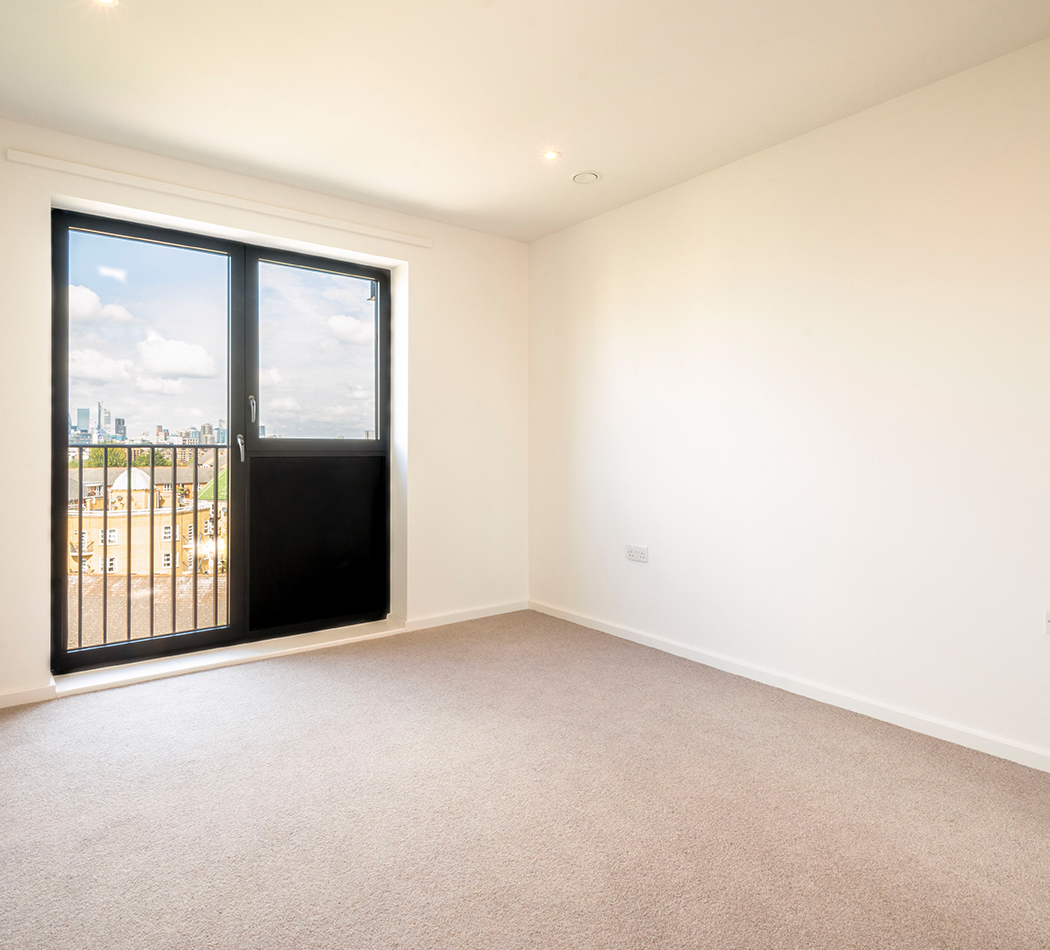


Virtual Staging
Virtual staging has emerged as a cost-effective alternative to physically furnishing an empty space and has gained significant popularity in the property industry. By utilizing computer-generated imagery (CGI), virtual staging involves creating intricately detailed digital simulations of interior or exterior spaces. These simulations are then transformed into realistic, homely settings by adding furniture, appliances, home comforts, and other embellishments to the bare framework of a room or outdoor area.
Virtual staging has emerged as an increasingly popular alternative to conventional home staging. While both methods aim to create an appealing and welcoming space to attract potential buyers, several factors make digital staging the superior choice.
Virtual staging is entirely computer-generated, allowing for seamless incorporation of furniture, decor, and other elements into images of vacant rooms. Unlike traditional staging, it eliminates the need for furniture rentals or other physical resources. Consequently, staged images are not only more cost-effective but also more efficient compared to traditional home staging.
Digitization also offers prospective home buyers greater versatility. Designers can easily experiment with different layouts, colors, and furniture arrangements to find the perfect fit for a space. This level of flexibility is considerably more challenging to achieve when physically staging a home due to the labor involved in moving furniture. Additionally, digital staging provides a high degree of customization, allowing interior designers to tailor styles to meet the unique requirements of different clients and homes.